Construction lifting can look simple from a distance: position the crane, connect the load, raise it and place it. On a live building site, however, every movement depends on accurate planning, suitable equipment, stable ground, clear communication and competent people. A small mistake in crane selection, access planning or load preparation can create major delays, damage valuable materials and expose workers or the public to unnecessary risk.
The most reliable way to prevent these issues is to involve a professional crane hire provider early. An experienced team reviews the load, lifting radius, site access, ground conditions, overhead hazards, rigging requirements and final placement area before mobilisation. That process matches the crane and lifting method to the real conditions instead of relying on estimates or last-minute decisions.
Below are five common construction lifting problems and the practical ways professional crane hire solutions help solve them.
1 The Wrong Crane Is Selected for the Load
One of the most common lifting problems begins before the crane arrives: the selected machine is not suitable for the weight, dimensions, reach or working radius of the load. A crane may appear to have enough capacity based on its advertised tonnage, but real lifting capacity changes according to boom length, boom angle, configuration and distance from the crane to the load. An item that can be lifted close to the crane may exceed the safe capacity when it must be placed farther away.
This issue often occurs when site teams estimate the weight of structural steel, precast panels, roof trusses, machinery, pools, air-conditioning units or prefabricated modules. Lifting beams, chains, slings and other rigging equipment also add weight. The centre of gravity may not be obvious, especially with irregular machinery or assembled structures. If the information is incomplete, the operation can stop after the crane has already reached the site, leading to wasted labour, transport charges and rescheduling.
A professional crane hire company reduces this risk by gathering detailed information before recommending equipment. The team considers the verified load weight, dimensions, lifting points, centre of gravity, pickup position, final placement point and maximum operating radius. It can then select an appropriate mobile crane, Franna crane, all-terrain crane, crawler crane, compact crane or crane truck for the job.
Professional planning also allows for a sensible safety and capacity margin instead of choosing a crane that will operate at its limit. The crane can be configured correctly before mobilisation, and suitable rigging gear can be organised in advance. The goal is not automatically to hire the biggest crane. It is to choose the correct crane, setup and lifting arrangement for the task, which supports safer work and more accurate project costing.
2 Restricted Access Prevents Safe Crane Positioning
Construction sites are rarely open, level and empty. Cranes may need to work beside occupied buildings, narrow driveways, boundary fences, scaffolding, excavations, landscaped areas or active roads. Residential and urban projects can be especially difficult because there may be very little room for the crane to enter, turn, set up and deploy outriggers. Even when a crane can fit through a gate, it still needs enough operating room and a clear path for the suspended load.
Poor access planning can leave the crane unable to reach the intended setup position. Delivery vehicles may block the work zone, stored materials may reduce the available space, or the actual lifting radius may be longer than expected. Powerlines, trees, balconies, roofs and neighbouring structures can further restrict boom movement. These conditions can force the operator into an inefficient position or make the original lifting plan impractical.
Professional crane hire solutions address access constraints through site assessment and equipment selection. A provider may review site photographs, plans, measurements and access routes or conduct a physical inspection for a complex lift. The team checks gate widths, turning space, overhead clearance, crane setup area, outrigger requirements and the route the load must travel through the air.
Compact, crawler and pick-and-carry cranes may be considered when the setup space is limited. When a load must be reached from a more distant position, an all-terrain crane with suitable boom length may be the better option. The provider can also recommend temporary traffic controls, staged deliveries or changes to the construction sequence. This preparation prevents the unpleasant discovery that the crane cannot safely access or operate from the planned location.
3 Incomplete Lift Planning Causes Delays and Confusion
A successful lift depends on many activities happening in the correct order. The load must be ready, lifting points accessible, the crane area clear, workers briefed and the receiving area prepared. If one part is missing, the operation may stop while crews search for information, move materials, arrange permits or wait for another contractor. A crane that is sitting idle still costs the project time and money.
Common examples include missing load weights, unsuitable slings, blocked access, incomplete exclusion zones, workers entering the lifting area or a placement team that is not ready. Communication can also fail when several people give instructions to the operator, the designated dogman does not have a clear view or the agreed hand and radio signals have not been confirmed.
Professional crane hire providers help coordinate the lift as a complete operation rather than treating it as a simple equipment booking. Before mobilisation, the team can confirm the scope, sequence, crane position, rigging method, personnel requirements and communication process. More complex work may require a documented lift plan covering the load, crane configuration, operating radius, hazards, control measures and individual responsibilities.
On the day of the lift, a pre-start meeting gives everyone the same understanding of the task. The crane operator, dogman, rigger, spotter, driver and site supervisor can confirm who controls the lift, how signals will be communicated and what will happen if conditions change. This structure reduces idle time, prevents conflicting instructions and keeps decisions from being made under pressure.
Need the right lifting solution for your site?
Speak with an experienced team about crane selection, access, setup, rigging and safe placement before your next construction lift.
Crane hire in Maddingley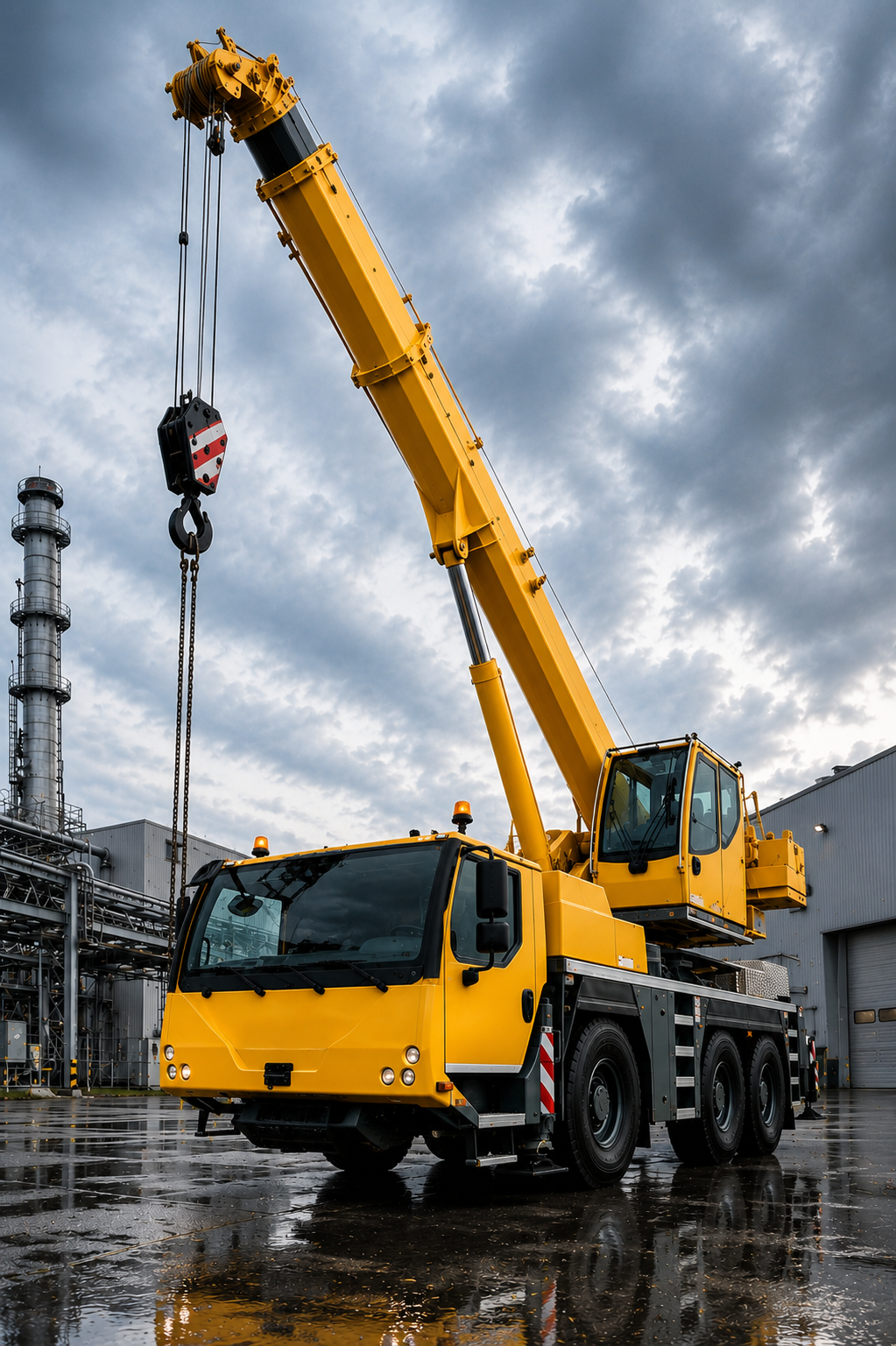
4 Weak or Unstable Ground Compromises Crane Setup
A crane can only perform safely when it is supported by suitable ground. Construction sites often contain recently filled soil, soft shoulders, trenches, underground services, basements, pits, drainage lines or surfaces that have been weakened by rain. Ground that appears firm at the surface may not have enough bearing capacity for the concentrated forces created by outriggers, tracks or crane tyres.
When the ground is not assessed properly, an outrigger can sink or a crane can move out of level. Even small movement can change the lifting radius and affect stability. The risk becomes greater as the boom extends, the load moves farther from the crane or the lift passes over the side of the machine. Damage can also occur to pavements, driveways and underground infrastructure.
A professional provider reviews the intended setup area before the lift and asks about known underground services, recent excavations, fill, retaining structures and weather conditions. Depending on the site and the complexity of the work, the project may need confirmation from the builder, a geotechnical specialist or an engineer. The crane team can then determine whether the proposed position is appropriate and what support measures are required.
Outrigger mats, timber packing, steel plates or engineered load-spreading systems may be used to distribute forces over a larger area. The crane is levelled and checked before lifting begins, and the setup can be monitored throughout the operation. If rain or site activity changes the ground conditions, the lift can be paused and reassessed rather than continuing with an unsafe assumption.
5 Poor Rigging and Communication Make the Load Unstable
The crane may be correctly selected and positioned, yet the lift can still fail if the load is rigged incorrectly. Slings that are too short, too long or incorrectly rated can change the forces applied to lifting points. Sharp edges can damage soft slings, unbalanced loads can tilt, and long materials can rotate in the wind. A load that shifts unexpectedly can strike structures, equipment or workers.
Communication is closely connected to rigging safety. The operator may not be able to see the pickup point, the load or the final placement area. In a blind lift, the operator depends on clear instructions from an authorised person. Conflicting hand signals, poor radio communication or people entering the exclusion zone can turn a controlled movement into a dangerous situation.
Professional crane hire solutions include competent operators and, where required, trained dogmen and riggers who understand load control. They select lifting gear with suitable working load limits, inspect equipment, protect slings from sharp edges and choose connection points that support the load correctly. Spreader beams, lifting beams, shackles, tag lines and purpose-designed frames can be used when needed.
Before the main lift, the team may perform a controlled test lift to confirm balance, security and brake response. The designated signal person remains responsible for instructions, while everyone else stays clear of the load path. Radios or standard hand signals are agreed before movement begins. These measures keep the load stable and give the operator consistent information from pickup to final placement.
Why Professional Crane Hire Creates Better Project Outcomes
Construction lifting problems are rarely caused by one dramatic mistake. More often, they develop from several small gaps: an estimated load weight, an access measurement that was not checked, ground conditions that were assumed to be suitable or responsibilities that were not clearly assigned. Professional crane hire brings these details together before they become costly problems.
An experienced provider does more than supply a crane. The team helps identify the right machine, reviews the working radius and access route, checks setup requirements, coordinates lifting personnel and prepares the operation around the actual site. This support can reduce downtime, prevent damage, improve communication and help the wider construction team work more efficiently.
Early engagement is particularly valuable. When the crane company is involved during planning, the builder can organise delivery times, clear access, prepare the ground, verify lifting points and sequence trades around the lift. That makes the crane booking more predictable and reduces the chance of last-minute changes.
Every lift should be treated as a planned operation, whether it involves one air-conditioning unit or a series of heavy structural components. By working with a professional team, project managers gain suitable equipment, experienced people and a practical plan designed for the load and the site. For local construction work, choosing dependable crane hire in Maddingley can turn a difficult lifting task into a controlled, efficient and well-coordinated part of the project.